
The Limping Dog with Normal Radiographs: What Are You Missing?
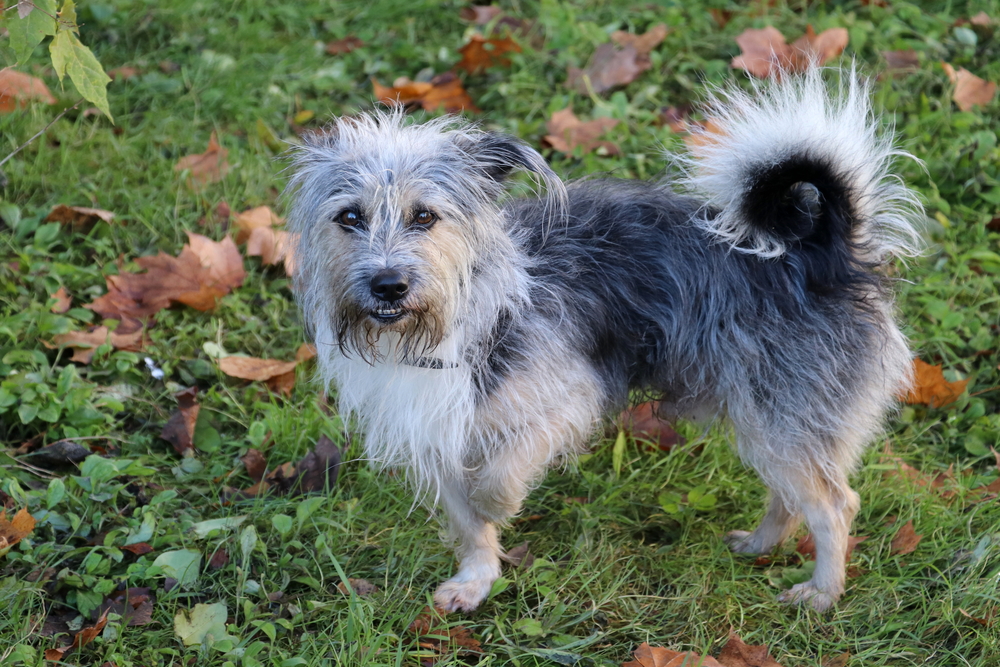
A dog presents with a three-week history of intermittent right front limb lameness. The owner reports it is worse after rest and improves after a few minutes of movement. You do a thorough orthopedic examination, take high-quality radiographs of the shoulder, elbow, and carpus, and the films come back unremarkable. No fractures, no obvious lytic lesions, no significant arthritic remodeling. The dog is clearly uncomfortable, the owner is clearly frustrated, and you are left looking at normal radiographs trying to figure out what you are missing.
This presentation is more common than it is discussed, and it represents one of the more diagnostically demanding scenarios in general practice. The answer is almost never “the radiographs are wrong.” More often, the diagnosis lies in a pathology that radiographs cannot see, a differential category that was not fully worked up, or a neurological component that is driving what looks like a musculoskeletal problem. For general practitioners navigating these cases, access to orthopedic and neurology advisory input at the right decision points is what prevents months of empiric management from standing in for a diagnosis.
VESPECON’s clinical advisory services give general practitioners on-demand access to board-certified orthopedic, neurology, and internal medicine specialists who work through these cases alongside you. If your practice routinely encounters complex lameness presentations without a clear pathway forward, contact VESPECON about partnership options.
Why Normal Radiographs Do Not Rule Out Serious Pathology
What Radiographs Can and Cannot Show
Standard radiography evaluates cortical bone density, joint space width, and gross structural changes well. It does not visualize soft tissue structures within joints, early cartilage degeneration before secondary osseous changes develop, spinal cord compression without significant bony change, nerve root involvement, or muscle and tendon pathology. A dog with a partial cruciate ligament injury, a soft tissue shoulder lesion, bicipital tenosynovitis, or early osteosarcoma with predominantly medullary involvement can present with normal or near-normal radiographs in the early stages.
This is not a failure of radiography. It is a limitation that should move the clinician forward in the workup rather than to a conclusion that nothing structural is wrong. The question to ask when radiographs are normal is not “Is there a diagnosis?” but rather “Which diagnoses cannot be ruled out yet, and what is the next appropriate imaging or diagnostic modality?”
The Acute Limb: What the History Tells You Before the Exam
For sudden-onset lameness, the history frequently narrows the differential before imaging is even taken. A dog that yelped at a specific moment during play and has been non-weight-bearing since is a different diagnostic context than a dog with a limp that appeared gradually over several days. Cracked nails, foxtails, puncture wounds, and abscesses account for a significant percentage of acute lameness in dogs and cats and are identified on physical examination rather than imaging. Paw and digit examination should precede radiography in any acute lameness workup.
Muscle tears and significant ligamentous injuries may not appear on radiographs at all or may only show subtle soft tissue swelling. Broken bones will appear on well-positioned radiographs, but stress fractures, early pathologic fractures, and incomplete cortical involvement require careful evaluation under adequate sedation with optimal positioning.
Building the Differential When Radiographs Are Normal
Chronic and Progressive Lameness: The Conditions That Hide on Standard Films
For dogs presenting with lameness that has developed over weeks to months, the differential is substantially different from acute injury, and the diagnostic approach must reflect that.
Arthritis and degenerative joint disease may not produce radiographically visible changes until the process is well-established. Early cartilage loss with mild synovitis produces clinical signs before the subchondral sclerosis and osteophyte formation that are visible on plain films. Joint effusion, synovial thickening, and cartilage status are best assessed with ultrasound or advanced imaging.
Hip dysplasia in a young dog can present with pain and lameness before significant joint remodeling is apparent on standard ventrodorsal projections. Hip distraction views and PennHIP methodology provide a more sensitive assessment of laxity than standard extended positioning and should be considered when dysplasia is suspected but standard films are equivocal.
Elbow dysplasia encompasses several developmental conditions including fragmented coronoid process, ununited anconeal process, and OCD of the medial humeral condyle. Standard radiographs may show only mild secondary changes early in the disease course. A young large or giant breed dog with persistent forelimb lameness warrants careful elbow palpation, well-positioned orthogonal views, and consideration of CT for definitive characterization.
Osteochondritis dissecans lesions in the shoulder, elbow, stifle, or hock of young large breed dogs frequently present with subtle or absent radiographic findings in the early stages. Flexed and skyline projections improve sensitivity, but cartilage flap visualization typically requires CT or MRI.
Patellar luxation is primarily a clinical diagnosis made on palpation during the orthopedic examination. Radiographs may show secondary changes but are often unremarkable, particularly in intermittent luxation. A dog that periodically carries a hind limb for a few steps before resuming a normal gait is a classic presentation that warrants careful stifle palpation regardless of radiographic findings.
Panosteitis in young, large-breed dogs produces episodic, shifting-leg lameness with bone pain on palpation of the long bone diaphyses. Radiographic changes, which include increased medullary density in a granular or patchy pattern, can lag behind clinical signs by several weeks, meaning early-phase panosteitis may not be detectable on initial films.
Shifting-leg lameness accompanied by joint effusion, fever, or lethargy should raise suspicion for immune-mediated polyarthropathy, including erosive forms such as canine rheumatoid arthritis. Arthrocentesis with cytology is the diagnostic test of choice. Synovial fluid analysis showing elevated nucleated cell counts with neutrophilic predominance supports the diagnosis and differentiates immune-mediated disease from septic or degenerative processes.
Tick-borne disease, particularly Lyme disease, can present with shifting-leg lameness, joint pain, fever, and lethargy in endemic regions. Serologic testing including C6 antibody assays and quantitative antibody titers should be considered in dogs with compatible clinical signs and known tick exposure. A treatment response to doxycycline is supportive but not confirmatory of the diagnosis.
The most diagnostically serious condition that must remain on the differential for a large or giant breed dog with progressive lameness and normal or subtle radiographic changes is osteosarcoma. Early appendicular osteosarcoma can present with focal bone pain and lameness weeks to months before the lytic and productive bone changes that are classic on radiographs become apparent. Serial radiographs at two-week intervals, advanced imaging, and bone biopsy are the appropriate steps when osteosarcoma cannot be excluded clinically.
When the Lameness Is Not Orthopedic
The diagnostic error most likely to be made when radiographs are normal is excluding neurological disease from the differential. The clinical distinction between orthopedic and neurological lameness is not always straightforward, and the two can coexist.
Neurological issues in dogs that produce apparent lameness include spinal cord compression, nerve root entrapment, and peripheral neuropathies, all of which cause limb dysfunction that can be indistinguishable from a joint or soft tissue problem without a systematic neurological examination. A dog that is ataxic rather than simply lame, that has reduced withdrawal reflexes, proprioceptive deficits, or muscle atrophy disproportionate to the degree of lameness, has neurological involvement that a joint radiograph will not explain.
Intervertebral disc disease is among the most common causes of apparent lameness in chondrodystrophic breeds, and the presenting complaint is frequently “limp” rather than neck or back pain. Spinal radiographs may show disc space narrowing but cannot evaluate the degree of cord compression. MRI is the gold standard for soft tissue spinal evaluation and should be considered when a neurological component is suspected.
Wobbler syndrome in large and giant breed dogs produces a characteristic ataxic gait often described as proprioceptive ataxia in the rear limbs with a shorter, choppy gait in the forelimbs. The presentation varies, and early cases may resemble straightforward orthopedic disease. Advanced imaging is required for diagnosis, and treatment decisions depend on the specific compression pattern.
Fibrocartilaginous embolism produces acute, non-painful lateralized limb weakness that may be mistaken for acute orthopedic injury in the initial presentation. The absence of spinal pain on palpation, the non-progressive nature of signs after the initial onset, and the clinical pattern are distinguishing features. Diagnosis is primarily clinical and by exclusion, with MRI used to rule out other spinal pathology.
Neuromuscular Junction and Systemic Disease
When weakness is generalized, episodic, or appears to be fatigue-related rather than mechanical, the differential expands substantially beyond orthopedic and neurological causes into systemic disease.
Myasthenia gravis is underdiagnosed in general practice, in part because the focal form can present as localized weakness or exercise intolerance rather than the generalized collapse or megaesophagus seen in classic cases. The acetylcholine receptor antibody titer is the diagnostic test of choice. Any dog presenting with weakness that worsens progressively during exercise and improves with rest should have myasthenia gravis on the differential.
Tick paralysis caused by Ixodes and Dermacentor species produces progressive motor weakness beginning in the pelvic limbs and is fully reversible with tick removal. A thorough coat examination, particularly around ears, axillae, and interdigital spaces, is warranted in any dog presenting with rapid-onset generalized weakness.
Acute polyradiculoneuritis (coonhound paralysis) produces an ascending LMN weakness with preserved sensation that closely resembles Guillain-Barré syndrome in humans. A history of raccoon contact is not always present. The condition is self-limiting with dedicated nursing care, but the clinical picture can appear alarming and requires hospitalization.
The Diagnostic Workup: Moving Beyond Radiographs
The Neurological Examination in a Limping Patient
Every limping patient should receive a neurological examination alongside the orthopedic exam. Proprioceptive testing, spinal reflexes, muscle tone, and cranial nerve assessment take less than five minutes and frequently redirect the differential. A dog that places the dorsum of its paw on the ground without correcting has a proprioceptive deficit that an orthopedic lesion does not explain.
Gait evaluation on a hard, non-slip surface captures information that examination table assessment misses. Owner-provided video of the gait at home is clinically valuable for episodic or intermittent presentations that cannot be reproduced during the appointment.
Advanced Imaging and Laboratory Testing
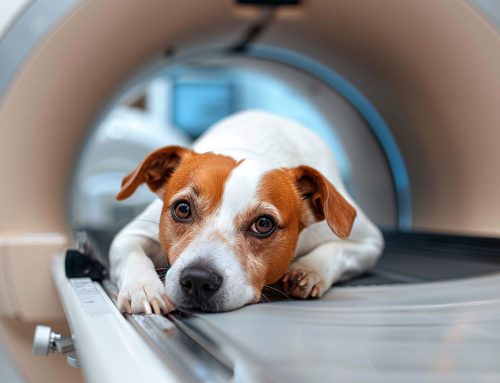
When spinal or soft tissue pathology is suspected, CT and MRI provide the diagnostic resolution that standard radiography cannot. For practices without in-house advanced imaging capability, VESPECON’s tele-radiology services provide interpretation of submitted studies, including CT, with STAT options available for urgent cases. Radiograph and imaging interpretation by a board-certified radiologist changes management decisions in a meaningful percentage of complex lameness cases.
Key advanced diagnostics for the limping patient with normal radiographs:
- Joint ultrasound: evaluates effusion, synovial thickening, tendon integrity, and early cartilage changes invisible on plain films
- MRI: gold standard for spinal cord compression, disc disease, early bone marrow changes, and soft tissue joint pathology
- CT: superior to radiography for fracture characterization, bone tumors with subtle changes, and pre-surgical planning
- Acetylcholine receptor antibody titer: for suspected focal or generalized myasthenia gravis
- Electromyography and nerve conduction studies: for evaluating peripheral nerve and muscle function in suspected polyneuropathies
- Muscle or nerve biopsy: when histopathology is needed to characterize inflammatory or degenerative myopathy
- Genetic testing: for breed-specific conditions including muscular dystrophy and exercise-induced collapse
A comprehensive chemistry panel, CBC, urinalysis, and thyroid level should be run in any chronically lame patient where systemic disease has not been excluded. Electrolyte abnormalities, anemia, hypoalbuminemia, and inflammatory markers frequently contribute to the diagnostic picture.
Treatment Is Diagnosis-Dependent: Why Getting It Right Matters
Pain and Surgical Management
Pain management for orthopedic conditions follows a multimodal approach: NSAIDs as the foundation where appropriate, monoclonal antibody injections, gabapentin or amantadine for central sensitization and neuropathic pain components, omega-3 supplementation and joint support, and weight optimization given that excess body mass directly amplifies joint loading and pain. Escalating analgesic therapy without identifying the source of pain treats a symptom indefinitely.
For practices managing surgical cases in-house or through referral, VESPECON’s concierge referral service coordinates specialist appointments and maintains active collaboration throughout the case lifecycle, relieving the referring practice of the logistical burden and ensuring continuity of care.
Frequently Asked Questions About Limping and Neuromuscular Weakness
My pet’s radiographs were normal. Does that mean nothing is wrong?
No. Many significant conditions produce lameness or weakness without radiographic changes, including soft tissue joint injuries, early-stage bone tumors, spinal cord compression, neuromuscular junction disorders, and systemic diseases. Normal radiographs are a starting point in the workup, not a conclusion.
How do I tell the difference between orthopedic and neurological lameness?
Orthopedic lameness typically involves localized joint or soft tissue pain, is weight-bearing dependent, and produces a consistent pattern of offloading. Neurological weakness often involves ataxia, proprioceptive deficits, muscle atrophy disproportionate to disuse, changes in reflexes, or weakness that worsens with exercise and improves with rest. The two can coexist. A systematic neurological examination alongside the orthopedic exam is the appropriate approach for any patient where the diagnosis is not straightforward.
What is the role of specialist input in a complex lameness case?
Specialist input is most valuable at decision points where the diagnosis is unclear after standard workup, where advanced imaging or specialized testing is needed for interpretation, where surgical candidacy requires evaluation beyond general practice scope, and where long-term management requires disease-specific expertise. VESPECON’s specialty consultation model provides that input without the wait time and logistical burden of traditional referral.
Is rehabilitation necessary after orthopedic or spinal surgery?
In most cases, yes. Structured rehabilitation significantly improves functional outcomes following TPLO, spinal decompression, and other procedures by maintaining muscle mass, restoring range of motion, and supporting neurological recovery. Practices without in-house rehabilitation capability can coordinate referral to certified rehabilitation practitioners through VESPECON’s network.
Getting to a Diagnosis the Patient Deserves
The limping patient with normal radiographs is not a diagnostic dead end. It is a diagnostic prompt to expand the differential, reconsider whether the problem is orthopedic, neurological, or systemic, and determine what additional testing is needed. Most of these patients have a diagnosis. Finding it requires a structured approach, the right diagnostic tools, and specialist input at the right moments.
VESPECON’s network of orthopedic, neurology, internal medicine, and clinical pathology advisors supports general practitioners through exactly these cases. The continuing education resources available through VESPECON also help practice teams build clinical confidence in neuromuscular and orthopedic workups over time, reducing diagnostic uncertainty at the front end of future cases.
For pet owners: if your pet has been limping without a clear explanation despite initial evaluation, ask your veterinarian whether advanced imaging, a neurology consultation, or a specialist-supported workup through a VESPECON partner practice is the appropriate next step. Most limping pets have an answer. Getting to it is a matter of pursuing the right diagnostic pathway.



Leave A Comment