Fever of Unknown Origin in Pets: Diagnostic Approach and When to Refer

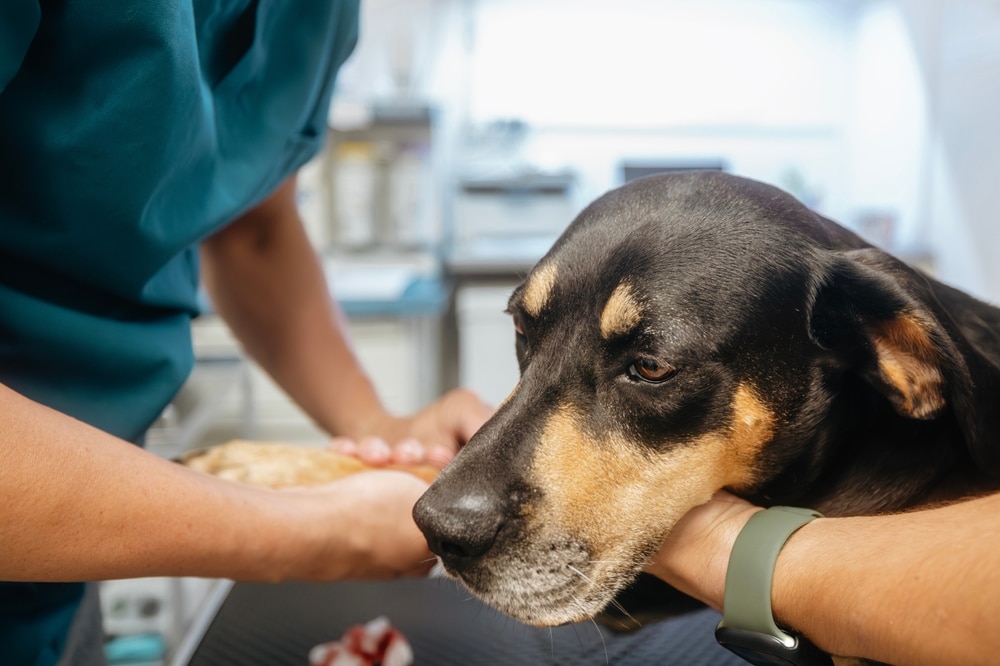
A dog presents with a rectal temperature of 104.8°F, lethargy, and anorexia. The CBC, chemistry panel, and urinalysis reveal nothing definitive. Supportive care resolves the fever within 48 hours, and two weeks later the same dog returns with a 105.2°F temperature and the same nonspecific picture. This is the clinical scenario that defines fever of [...]

The Limping Dog with Normal Radiographs: What Are You Missing?

The Limping Dog with Normal Radiographs: What Are You Missing? A dog presents with a three-week history of intermittent right front limb lameness. The owner reports it is worse after rest and improves after a few minutes of movement. You do a thorough orthopedic examination, take high-quality radiographs of the shoulder, elbow, and carpus, and [...]

Chronic GI Signs in Dogs and Cats: A Stepwise Approach Beyond Empiric Therapy

Persistent gastrointestinal signs are among the most frequently encountered presentations in small animal general practice and among the most likely to become diagnostic dead ends when managed empirically without a structured workup. A dog with recurring soft stools and occasional vomiting may cycle through metronidazole and bland diet protocols for months before anyone asks why [...]

Why Dermatology Cases Resist Simple Diagnoses

Challenging Dermatology Cases: When Allergies, Infection, and Systemic Disease Overlap Dermatology ranks among the most common reasons pets present to general practice, and also among the most diagnostically demanding. A dog scratching at its paws and ears looks straightforward until the third recurrence in six months reveals a pattern that does not fit cleanly into [...]

The Most Common Pet Surgeries and What to Expect

Pet Surgeries That Benefit Most from a Specialty Consult When Does a Case Call for Specialist Input? Not every surgery is straightforward. Some cases involve complex anatomy, high-risk anesthesia, unusual presentations, or conditions where the margin between a good outcome and a complication is narrow. These are the cases where a specialty consultation can change [...]

Stress and Anxiety in Pets: Recognition, Prevention, and Management

Stress and anxiety can look different from pet to pet, which makes them tricky to spot. Dogs might pace, pant, or chew things. Cats often hide, over-groom, or miss the litter box. Subtle cues like dilated pupils, tucked tails, or yawning in tense moments can also signal distress. When stress becomes chronic, it can affect [...]

Go to Top