
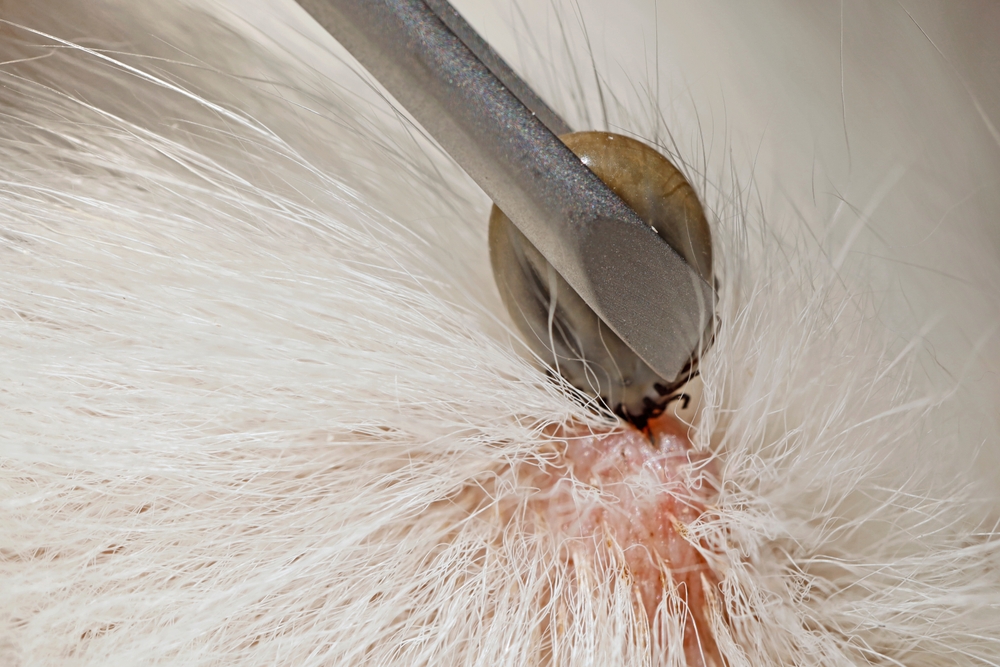
Dermatology ranks among the most common reasons pets present to general practice, and also among the most diagnostically demanding. A dog scratching at its paws and ears looks straightforward until the third recurrence in six months reveals a pattern that does not fit cleanly into a single diagnosis. A cat grooming itself bald may be expressing atopy, food allergy, feline idiopathic cystitis, anxiety, or some combination of all four. What looks like a skin problem on the surface is frequently the visible expression of a systemic, immunologic, hormonal, or behavioral process underneath.
For general practitioners, the challenge is not recognizing that a problem exists. It is efficiently working through the differential in a way that spares the patient repeated visits, the client escalating frustration, and the clinician the time sink of managing a complex dermatology case with limited specialist input. That is precisely where VESPECON’s clinical advisory services provide measurable value. With on-demand access to board-certified dermatologists and internal medicine specialists, general practitioners can move through the diagnostic ladder with confidence rather than cycling through empirical treatments. If your practice is not yet a VESPECON partner, reaching out is the first step toward bringing that level of support in-house.
Why Dermatology Cases Resist Simple Diagnoses
Alopecia Is a Sign, Not a Diagnosis
Alopecia is the clinical term for hair loss, and the critical clinical distinction is that it is always a symptom of an underlying process rather than a primary diagnosis. This matters because treatment targeting only the surface manifestation will fail to resolve the underlying driver. The distribution pattern, the condition of the skin beneath, the presence or absence of pruritus, and the systemic context all inform which diagnostic pathways to pursue first.
For general practitioners, pattern recognition is the foundation: symmetric truncal thinning without pruritus points toward endocrine disease; focal lesions with erythema and scale suggest parasitic or infectious causes; and diffuse ventral hair loss with concurrent GI signs raises food allergy higher on the differential. The problem is that these presentations overlap, and in a patient with multiple concurrent conditions, each component requires its own workup and management strategy.
When Allergies Are the Driver: Distinguishing Flea, Food, and Environmental
Flea Allergy Dermatitis: Not Just a Parasite Problem
Flea allergy dermatitis (FAD) is an immunologic response to salivary antigens injected during flea feeding, and it is one of the most frequently underdiagnosed conditions in practices without strong parasite prevention protocols. The clinical picture is well-recognized: itching centered on the caudal dorsum, tail base, inner thighs, and ventral abdomen, with secondary alopecia and often hives, eosinophilic granulomas, or papular eruptions. The complicating factor is that a single flea bite can sustain weeks of pruritus in a sensitized patient, meaning the absence of visible fleas does not rule out FAD.
Clinically, this matters when a patient presents for recurrent pyoderma or malassezia overgrowth. If the underlying flea sensitization is not identified and parasite control is not established across all household pets, treating the secondary infection provides only temporary relief. Year-round parasite prevention for every pet in the household is both a therapeutic intervention and a diagnostic step: resolution of signs following comprehensive parasite elimination supports FAD as the primary driver.
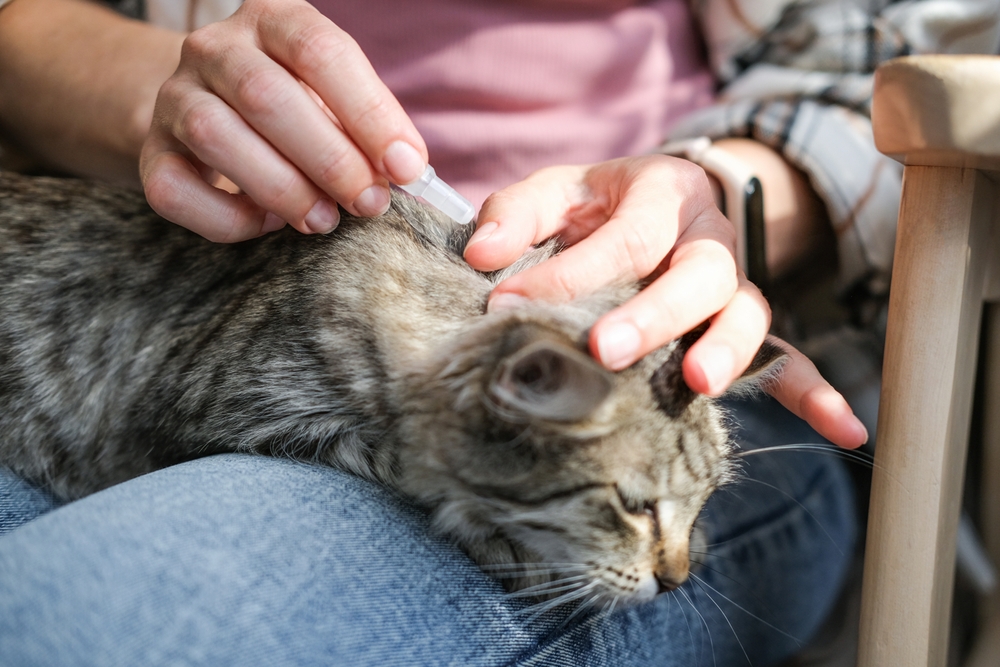
Topical therapy plays an important adjunctive role in managing the skin barrier compromise that follows, and regular grooming contributes to flea load reduction and early identification of reinfestation. For complex FAD cases or those with concurrent allergic disease, VESPECON’s dermatology advisors can help design a tiered management plan without the referral delay.
Food Allergy: The Case for Rigorous Elimination Trials
Food allergy is frequently suspected and infrequently diagnosed correctly because the diagnostic standard, a strict elimination diet trial, requires eight to twelve weeks of complete dietary control that many clients find difficult to maintain. Nutrition’s role in itchy pets is often underestimated in the initial workup, and the result is that food allergy either goes undiagnosed for extended periods or gets incorrectly ruled out when an inadequate trial was performed.
The clinical presentation overlaps significantly with atopic dermatitis: facial pruritus, otitis, and perianal involvement are common to both. The distinguishing features that raise food allergy’s position on the differential include younger age of onset or onset in older patients, non-seasonal pattern, concurrent GI signs, and poor or inconsistent response to corticosteroids. Over-the-counter limited-ingredient diets are not a substitute for a proper hydrolyzed or novel protein trial under veterinary supervision; contamination from shared production lines and inconsistent labeling make them diagnostically unreliable.
When diet trials are completed properly and results are ambiguous, VESPECON’s nutrition and internal medicine advisors provide a second layer of clinical interpretation that can help practitioners decide whether to pursue a diet challenge, move toward atopy workup, or consider concurrent disease.
Atopic Dermatitis: Chronic, Progressive, and Rarely Managed Alone
Atopic dermatitis is a genetically predisposed hypersensitivity to environmental allergens that develops through both transcutaneous sensitization and inhalation. Onset typically occurs between one and three years, and the progressive nature of the disease means that patients who present with seasonal facial and pedal pruritus early on may develop year-round, multisite disease over time.
The practical challenge for general practice is that atopic dermatitis requires lifelong management across multiple concurrent strategies: allergen avoidance where possible, skin barrier support, antimicrobial management of secondary infections, and systemic immunomodulation. Understanding allergy management in atopic patients is not a one-visit intervention. Patients with poorly controlled atopic disease benefit significantly from specialist input on immunotherapy candidacy, particularly when conventional pharmacologic management is reaching its ceiling.
Apoquel (oclacitinib) and Cytopoint represent the current standard for targeted itch control, each working through different mechanisms. Apoquel inhibits JAK1-mediated cytokine signaling involved in itch and inflammation; Cytopoint is a monoclonal antibody that neutralizes IL-31, a key mediator of pruritus in atopic dogs. Zenrelia is a newer JAK inhibitor alternative to Apoquel. Selection between them, or combination use, depends on species, severity, response history, and the presence of comorbidities. For practices navigating that decision, VESPECON’s specialty consultations provide targeted guidance without the lag time of a formal referral.
Sublingual immunotherapy is an increasingly accessible option for general practices that have completed allergy testing, and VESPECON advisors can assist with interpretation and protocol design for practices implementing allergen-specific immunotherapy in-house.
Parasites, Secondary Infections, and the Cycle That Perpetuates Hair Loss
Mites and Mange: Identifying the Immunocompromised Pattern
Mites are a frequently underappreciated cause of hair loss and pruritus, and the two most clinically significant in small animal practice require different diagnostic and management approaches. Demodex mites are obligate residents of the canine hair follicle; generalized demodicosis signals impaired cell-mediated immunity and should prompt investigation for underlying immunosuppression, whether from concurrent disease, malnutrition, corticosteroid use, or genetic predisposition in juvenile patients. The presence of generalized demodicosis in an adult dog without obvious cause warrants endocrine screening and assessment for internal neoplasia.
Sarcoptic mange (Sarcoptes scabiei) produces an intensely pruritic, crusting dermatitis with predilection for the ears, elbows, hocks, and ventrum. Its clinical significance extends beyond the patient: sarcoptic mange is zoonotic and is transmissible to human household members. Negative skin scrapings do not rule out sarcoptic mange due to low mite burden in many clinical cases, and empirical treatment is often justified when clinical suspicion is high.
Ringworm and Secondary Infections: Recognizing the Skin Barrier Failure Cycle
Ringworm (dermatophytosis) is a fungal infection producing circular areas of alopecia with scaling and variable pruritus, and its importance lies not only in its clinical presentation but in its zoonotic potential and its tendency to spread in multi-pet households. Fungal culture remains the gold standard for diagnosis, with DTM results requiring 7 to 14 days for accurate interpretation.
Beyond primary infections, the skin barrier damage caused by chronic pruritic disease creates sustained conditions for secondary bacterial and yeast overgrowth. This is one of the most common clinical traps in dermatology cases: resolving the secondary infection produces improvement, but without addressing the primary driver, recurrence is predictable. Cytology is the most efficient in-practice tool for identifying whether bacterial pyoderma, malassezia overgrowth, or both are contributing, and it directly informs targeted antimicrobial selection.
Secondary ear disease follows the same pattern. Chronic allergic otitis is largely driven by the inflammatory environment created by atopy or food allergy, and treating the infection alone without managing the underlying allergy perpetuates a recurrent cycle. Ear cytology at each visit guides treatment and tracks response. Standardized ear cleaning protocols and client education are as important as the antimicrobial choice.
Allergy-related ocular involvement is often underrecognized. Conjunctivitis secondary to facial rubbing and periocular pruritus can progress to corneal ulcers if not identified early, and any patient with facial involvement warrants ophthalmic evaluation.
Systemic Disease as the Hidden Driver
Endocrine Conditions That Present as Dermatologic Disease
Non-pruritic, bilaterally symmetric alopecia is the classic presentation for endocrine disease, but clinical reality is frequently messier. Hypothyroidism in middle-aged dogs produces a multisystem picture: truncal and tail alopecia, seborrhea, recurrent pyoderma, weight gain, lethargy, and cold intolerance. The dermatologic presentation may be the chief complaint, but hypothyroidism will not resolve through dermatologic management alone. Blood work including TT4, cTSH, and free T4 by equilibrium dialysis provides the diagnostic foundation; treatment with levothyroxine typically produces gradual coat improvement over three to six months with appropriate monitoring of thyroid levels.
Cushing’s disease (hyperadrenocorticism) presents with a recognizable constellation, but the dermatologic component can precede the systemic signs: calcinosis cutis, comedone formation, thin fragile skin, and truncal alopecia with a pot-bellied habitus are hallmarks. Differentiating PDH from adrenal-dependent disease requires LDDS, HDDS, and abdominal imaging, and the treatment and monitoring protocols differ. In practices managing Cushing’s cases actively, access to VESPECON’s tele-radiology services for adrenal imaging interpretation adds efficiency to the workup.
Testicular tumors producing excess estrogen create symmetrical alopecia, feminization, and bone marrow suppression in intact males; clinical suspicion should prompt testicular palpation and ultrasound in any intact male with symmetric truncal hair loss. Spaying or neutering resolves sex hormone-related alopecia in most cases.
Don’t forget about human hormonal replacement therapies as a contributor to alopecia. Hormone replacement creams that a pet can contact, either through licking or if the owner touches the pet without washing their hands, can create similar hormonal-hairloss symptoms.
Breed-Specific Genodermatoses
Certain follicular and sebaceous gland disorders follow breed predispositions that should inform the differential in appropriate patients. Color dilution alopecia affects dogs with dilute coat pigmentation (Dobermans, Weimaraners, Italian Greyhounds) through follicular dysplasia and progressive thinning. Flank alopecia produces seasonal, recurrent bald patches in Boxers, Bulldogs, and Airedales through a photoperiod-mediated mechanism. Sebaceous adenitis in Standard Poodles and other predisposed breeds causes progressive scaling and hair loss secondary to granulomatous destruction of sebaceous glands. Zinc-responsive dermatosis produces periocular and muzzle crusting in northern breeds. None of these are diagnosed without first ruling out more common causes, but recognizing the breed context accelerates the workup.
The Behavioral and Pain Dimensions of Hair Loss
Psychogenic Alopecia and Lick Granuloma: When the Skin Looks Normal
Psychogenic alopecia in cats creates smooth, thinned areas over the ventral abdomen, medial thighs, and lumbar region from repetitive grooming. The distinguishing feature is that the underlying skin is typically normal: no erythema, scale, or papulation. Feline life stressors including new pets, household changes, and multi-cat conflict are common drivers, and the behavioral history is as diagnostically important as the physical exam.
The clinical challenge is ruling out pruritic causes before attributing hair loss to a behavioral etiology. Cats with atopy, flea allergy, or food allergy groom excessively too, and many cats do not scratch or show obvious signs of itch. Video evidence from home, trichoscopy to assess hair shaft fracture patterns, and ruling out medical causes systematically are necessary before pursuing behavioral management.
In dogs, the lick granuloma is the behaviorally driven equivalent: a firm, thickened, alopecic plaque on a distal limb from chronic repetitive licking. Underlying allergies drive many acral lick granulomas, but pain-related licking must also be considered. Osteoarthritis drives focal licking over affected joints, as does neuropathic pain. A dog licking a specific carpal or tarsal region without obvious skin disease warrants orthopedic evaluation before the behavior is attributed to atopy.
Pain-directed grooming in cats follows a similar pattern: a cat with feline idiopathic cystitis may lick the caudal ventral abdomen bald without any dermatologic abnormality. The clinical presentation overlaps with atopy, FAD, and psychogenic alopecia in location and appearance. Differentiating these requires history, urinalysis, and radiographs in addition to the dermatologic workup.
How VESPECON Supports the Complex Dermatology Workup
The cases described above share a common thread: they require a systematic, multi-system approach that benefits from specialist input at key decision points. The diagnostic ladder for a recurrently pruritic, alopecic patient can span dermatology, internal medicine, clinical pathology, behavioral medicine, and pain management, and each specialty adds something the others cannot provide.
VESPECON’s specialty consultation model allows general practitioners to engage board-certified advisors across all of these disciplines without a formal referral and without the wait time that accompanies traditional specialist appointments. When a patient’s dermatologic picture suggests underlying endocrine disease, a VESPECON clinical pathology or internal medicine advisor reviews the case alongside you. When tele-radiology or tele-cardiology interpretation is needed as part of the systemic workup, that is available through the same integrated platform. The concierge referral service coordinates specialist appointments when in-person evaluation becomes necessary, relieving your team of the referral burden entirely.
For practices managing a high volume of dermatology cases or those encountering more complex presentations than their current workflow supports, VESPECON’s continuing education offerings build clinical confidence in dermatology diagnostics and help teams standardize their approach to recurrent cases.
Frequently Asked Questions About Complex Dermatology Cases
How quickly does hair regrow after the underlying cause is treated?
Timeline depends on the diagnosis. Parasite-related and secondary infection-related alopecia often shows regrowth within four to six weeks of appropriate treatment. Hormonal conditions typically require three to six months of medical management before significant coat improvement is visible. Breed-associated genodermatoses may not fully regrow but supportive management improves coat quality and patient comfort.
Can food cause hair loss?
Yes. Food allergy-related pruritus and secondary alopecia typically affect the face, ears, paws, and perianal region. Diagnosis requires a strict eight to twelve week elimination diet using a hydrolyzed or novel protein prescription diet with complete dietary control. Switching commercial brands without using a controlled elimination protocol does not constitute a diagnostic trial.
Why do recurrent skin infections keep coming back?
Recurrent pyoderma or malassezia overgrowth almost always indicates an uncontrolled underlying driver. The infection is a complication, not the primary disease. Identifying and managing the root cause, whether flea allergy, atopy, food allergy, or endocrine disease, is necessary to break the cycle.
Bringing Clarity to Complex Dermatology Cases
Dermatology presentations that cycle through treatments without resolution are among the most resource-intensive cases in general practice, both for the clinician and for the client. The path forward is systematic: confirm or exclude the major diagnostic categories in sequence, address secondary infections as concurrent rather than primary problems, and engage specialist input early when the presentation exceeds what first-line management can resolve.
VESPECON exists to make that specialist input accessible at the practice level, on demand, without the friction of traditional referral. If your practice is managing complex dermatology cases and could benefit from board-certified advisory support, contact VESPECON to discuss how the partnership model works. If you are a pet owner whose pet has been managed through multiple treatment cycles without sustained improvement, ask your veterinarian whether working with a VESPECON partner practice gives your pet access to the specialist-level input their case may require.



Leave A Comment