
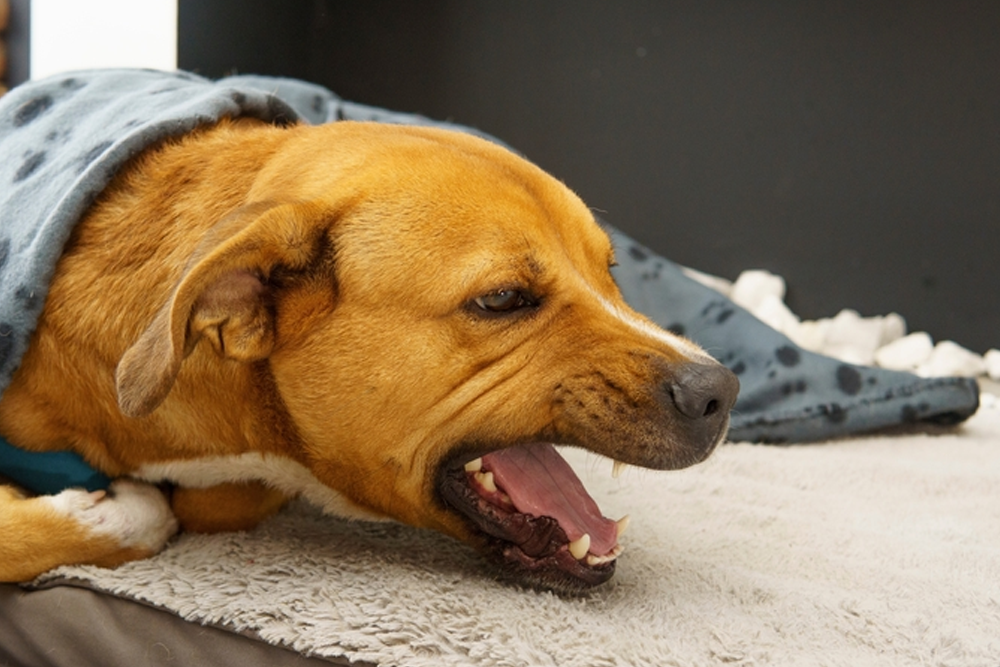
From Snoring to Wheezing: What’s Normal and What’s Not
Not every unusual respiratory sound means the same thing, and sorting out which sounds are clinically significant requires more than a brief exam. A cat who has been mildly wheezing for three weeks, a dog whose snoring has recently become labored, or a large-breed dog with a new harsh noise on inhalation are all presenting cases that may exceed what routine diagnostics can fully evaluate. The list of potential causes spans the upper and lower respiratory tract, the cardiovascular system, and beyond, and in many of these cases the right next step is specialist input: tele-cardiology, diagnostic imaging interpretation, or direct consultation with an internal medicine or surgery specialist.
VESPECON is a national network of board-certified specialists embedded within partner practices, designed to bring that level of thinking to the general practice setting without a separate referral appointment. Their diagnostic imaging interpretation services include radiograph, CT, ECG, and echocardiogram review, giving general practice veterinarians the specialist insight that complex respiratory presentations often require. Pet owners can ask their veterinarian about VESPECON partner practices, and veterinary practices looking to strengthen their case management capabilities can connect with the team directly.
When a Respiratory Sound Points Beyond General Practice
Many coughs, sneezes, and snoring sounds are managed comfortably within a general practice setting. But certain presentations require a depth of diagnostic evaluation and clinical interpretation that benefits directly from specialist involvement. Identifying those cases early, rather than after multiple inconclusive visits, is where the VESPECON network creates the most value.
The respiratory cases most likely to need specialist input share a few characteristics: they involve the cardiovascular system, they require advanced imaging to characterize structural abnormalities, they are not responding as expected to first-line treatment, or they are progressing rapidly enough that diagnostic delay carries real risk.
Heart Disease and the Cough That Looks Like Everything Else
A soft, moist, or deep cough that develops gradually in an older dog, particularly after exercise or at night, is one of the more consequential presentations in small animal medicine. Heart disease causing fluid accumulation in or around the lungs produces a cough that is easily mistaken for respiratory infection or age-related change. The distinction matters enormously because the treatment, monitoring, and prognosis are entirely different from a primary respiratory condition.
Confirming cardiac-origin respiratory signs requires echocardiography, and interpreting that study correctly changes the treatment plan. VESPECON’s tele-cardiology service allows partner practices to submit echocardiograms for board-certified cardiologist review with timely results, meaning the patient gets the right diagnosis and the right cardiac medication protocol without waiting for a referral appointment. Early, accurate cardiac diagnosis is one of the clearest examples of where specialist input directly improves outcomes.
Laryngeal Paralysis: A Progressing Problem That Needs a Plan
Laryngeal paralysis is a condition in which the cartilages of the larynx fail to open properly during inhalation, producing a harsh, raspy stridor that worsens with heat, excitement, or exercise. It is most common in older large-breed dogs, with Labrador Retrievers significantly predisposed, and it tends to progress. What begins as exercise intolerance and a noisy breathing pattern can escalate to a respiratory crisis when conditions are right.
Medical management slows progression but does not address the structural problem. Surgical correction (arytenoid lateralization) is the definitive treatment for moderate to severe cases, and timing matters. Cases where laryngeal paralysis is suspected or confirmed benefit from surgical specialist involvement early, both to establish severity and to have a clear plan before the pet decompensates. VESPECON’s surgical specialty network supports partner practices in managing exactly this kind of referral with the efficiency that progressive conditions require.
Tracheal Collapse: When Imaging and Surgical Evaluation Are Both Needed
The characteristic honking sound of tracheal collapse in small and toy breeds is recognizable, but the severity and extent of collapse are not assessable from the sound alone. Fluoroscopy or advanced imaging is needed to evaluate how much of the trachea is affected, at what point in the respiratory cycle collapse occurs, and whether the cervical or intrathoracic trachea (or both) are involved. That distinction directly determines whether medical management is sufficient or whether bronchoscopy, intraluminal stenting, or surgical intervention should be discussed.
Cases not adequately controlled with medications, or those with significant intrathoracic involvement, warrant specialist evaluation. Radiograph and CT interpretation through VESPECON’s diagnostic imaging services provides the characterization needed to have an informed conversation with the owner about next steps.
Brachycephalic Obstructive Airway Syndrome: More Than Noisy Breathing
Brachycephalic obstructive airway syndrome (BOAS) in Bulldogs, Pugs, French Bulldogs, Shih Tzus, Persians, and related breeds is a structural problem involving stenotic nares, an elongated soft palate, a hypoplastic trachea, and often everted laryngeal saccules. The combination of these abnormalities creates respiratory compromise that many owners normalize because their pet has always sounded that way.
The clinical consequences of untreated BOAS extend beyond snoring. Chronic increased respiratory effort causes progressive secondary changes to the larynx and trachea over time, meaning pets who are managed conservatively often deteriorate. Surgical correction of the soft palate and nares meaningfully improves airflow and slows that progression, but the decision requires accurate anatomical assessment. CT evaluation of the airway provides substantially more information than standard radiographs for surgical planning in BOAS cases, and VESPECON’s imaging interpretation supports that workup efficiently in partner practices.
Feline Asthma and Chronic Bronchitis: Crises That Escalate Quickly
Cats with asthma or feline asthma or chronic bronchitis present a diagnostic and management challenge that general practice handles routinely in mild cases, but complex or refractory presentations are a different situation. Cats who continue to have episodes despite appropriate first-line therapy, cats whose airway inflammation pattern does not fit the typical asthma picture, or cats in which concurrent cardiac disease or infectious tracheobronchitis needs to be excluded benefit from specialist case review.
Distinguishing feline asthma from cardiac disease on radiographs is not always straightforward. The two conditions can produce similar radiographic changes, and treating one when the other is the actual diagnosis causes real harm. Echocardiogram interpretation through VESPECON’s tele-cardiology service resolves that ambiguity efficiently and ensures the cat is on the right treatment.
Pulmonary and Pleural Disease: When Crackles or Gurgling Appear
Crackles on auscultation, gurgling or wet respiratory sounds, or labored breathing at rest point toward fluid, inflammation, or consolidation in the lungs or pleural space. Pneumonia, pulmonary edema from cardiac disease, pleural effusion, and pulmonary masses all produce overlapping clinical presentations that radiographs alone may not fully differentiate.
Advanced imaging interpretation, including assessment of whether the pattern is consistent with left-sided cardiac failure, aspiration, primary pulmonary disease, or a mass lesion, is one of the most practical applications of VESPECON’s radiology service. Accurate characterization at the initial evaluation prevents the delay that comes from treating empirically and reassessing when the patient fails to improve.
When Heartworm Disease Is Part of the Differential
Heartworm testing is part of a complete respiratory workup for dogs in endemic regions, because heartworm disease can produce coughing and respiratory signs before cardiovascular abnormalities are obvious on physical examination. Dogs with confirmed heartworm disease and respiratory involvement require internal medicine oversight of treatment, as the management of heartworm-associated pulmonary disease carries real risk if not approached carefully. VESPECON’s internal medicine specialists are available through the specialty hospital network for complex heartworm cases requiring specialist-guided treatment protocols.
What Specialist Support Actually Looks Like in Practice
For practices managing a respiratory case that has not resolved as expected, is producing inconclusive imaging findings, or involves the cardiovascular system, VESPECON provides access to board-certified radiology, cardiology, internal medicine, and surgery specialists without the logistical overhead of a traditional referral. Imaging studies are submitted directly, interpreted by the appropriate specialist, and returned with actionable recommendations. Tele-consultations allow real-time case discussion for presentations where the diagnostic direction is unclear.
Practices that partner with VESPECON can offer this level of diagnostic confidence to their clients routinely, not just in cases that are obviously complex from the start.
Frequently Asked Questions
Which respiratory cases most commonly benefit from specialist input?
Cardiac-origin cough requiring echocardiogram interpretation, laryngeal paralysis approaching surgical candidacy, tracheal collapse not responding to medical management, BOAS requiring CT-guided surgical planning, refractory feline asthma, and lower airway disease with an unclear radiographic pattern are the presentations where specialist involvement most consistently changes the diagnostic or treatment approach.
How does VESPECON’s tele-cardiology work for respiratory cases?
Partner practices submit echocardiogram studies directly through VESPECON’s platform. A board-certified cardiologist reviews the study and returns interpretation with clinical recommendations, typically within a timeframe that allows same-day or next-day treatment decisions. This is particularly useful for differentiating cardiac from primary pulmonary disease in coughing dogs or cats.
Can VESPECON support cases that need surgical referral?
Yes. VESPECON’s specialty hospital network includes surgical specialists and provides concierge-style referral coordination, meaning partner practices are not managing the referral logistics independently. For progressive conditions like laryngeal paralysis or BOAS where timing matters, this streamlines the process meaningfully.
What if a respiratory case is unclear at initial presentation?
That is precisely where specialist consultation adds the most value. VESPECON’s model supports early case collaboration, before a diagnosis is confirmed, allowing specialist thinking to shape the diagnostic plan from the beginning rather than entering after multiple inconclusive visits.
Respiratory Cases Deserve Specialist Depth
Complex respiratory presentations in dogs and cats require more than pattern recognition and first-line treatment. When the cardiovascular system is involved, when structural abnormalities need characterization, or when a case is not responding as expected, specialist input changes outcomes. VESPECON exists to make that input accessible within the general practice setting, without the delay and friction of a traditional referral pathway. Veterinary teams ready to elevate their approach to complex respiratory cases can connect with VESPECON to learn what partnership looks like in practice.




Leave A Comment